LOADING
Manufacture
Extrabold
Camellia
Medium
SUGAR & MILK
Custom
Magnets
Regular
Tea is an aromatic beverage prepared by infusion of hot or boiling fresh water with fresh or cured leaves of Camellia sinensis, an evergreen shrub native to East Asia that originated in the borderlands of southwestern China, northeast India and northern Myanmar. Tea has a stimulant effect in humans primarily due to its caffeine content. After plain drinking water, tea is the most widely consumed beverage in the world. There are many varieties of tea according to differences in cultivars, processing and blends; some have a cooling, slightly bitter and astringent flavor, while others have taste profiles that include sweet, nutty, floral or grassy notes. Traditionally, tea is made by steeping loose tea leaves in hot water (usually in a teapot or teacup) for a period of time, or in the case of compressed and fermented tea, via decoction (simmering) in a kettle. Convenient preparations, such as tea bag, infuser and press as well as powdered instant tea such as matcha, konacha and chai latte, are also common. Tea is most commonly consumed as a hot beverage in a plain hot water infusion, although it can also be in mixed drink forms, such as milk tea and butter tea, sometimes sweetened with added sugar or sugar substitutes, or alternatively flavored with salt and spices. In modern times, tea can also be served as a cold beverage in the form of iced tea or in soft drink mixtures such as bubble tea.
Light
R&O
Regular
Early credible record of tea drinking dates to the 3rd century AD, in a Chinese medical text written by Eastern Han dynasty physician Hua Tuo. Tea was consumed as a recreational and social beverage during the Tang dynasty, and Chinese tea culture-inspired ceremonial drinking spread to other Sinospheric countries such as Japan (where it is known as chado), Korea (known as darye) and Vietnam (typically as part of a wedding ritual). Tea drinking also spread into Inner Asia and South Asia via the Silk Road and the Tea Horse Road, particularly during the expansion of the Mongols, for whom the salted milk tea has remained part of the staple diet.
Semibold Italic
A natural
all-rounded
tea
Light
During the 17th century, drinking tea became fashionable in Western Europe as part of the rise of Chinoiserie influence, especially among the British, who had such a high import demand of tea that they later started to cultivate tea on a large scale in colonial India and Ceylon, where tea had previously been used only as a herbal medicine.
Extrabold
Artisanal Treats
Light
The etymology of the various words for tea reflects the history of transmission of tea drinking culture and trade from China to countries around the world. In this context, tea generally refers to the plant Camellia sinensis and/or the aromatic beverage prepared by pouring hot boiling water over the leaves. Most of the words for tea worldwide originate from Chinese pronunciations of the word, and they fall into three broad groups: te, cha and chai, present in English as tea, cha or char, and chai. The earliest of the three to enter English is cha, which came in the 1590s via the Portuguese, who traded in Macao and picked up the Cantonese pronunciation of the word.
Regular
The more common tea form arrived in the 17th century via the Dutch, who acquired it either indirectly from teh in Malay, or directly from the tê pronunciation in Min Chinese. The third form chai (used in English almost solely to refer to Indian-style spiced tea) originated from the Chinese pronunciation of cha, which travelled overland to Central Asia via the Silk Road where it picked up a Persian ending yi, and entered English via Hindustani in the 20th century. The different regional pronunciations of the word in China are believed to have arisen from the same root, which diverged due to sound changes through the centuries. The written form of the Chinese word for tea.
Semibold
The written form of Chinese word for tea was created in the mid-Tang dynasty by modifying the character pronounced tu, meaning a “bitter vegetable.” Tu was used to refer to a variety of plants in ancient China, and acquired the additional meaning of “tea” by the Han dynasty. The Chinese word for tea was likely derived from the non-Sinitic languages of the botanical homeland of the tea plant in southwest China (or Burma), possibly from an archaic Austro-Asiatic root word la, meaning “leaf.” The etymology of the various words for tea reflects the history of transmission of tea drinking culture and trade from China to other countries.
Light
Anecdote
PODCAST
Extrabold
“Toganoo Tea”
Specimen PDF Download Test fonts Buy licenses

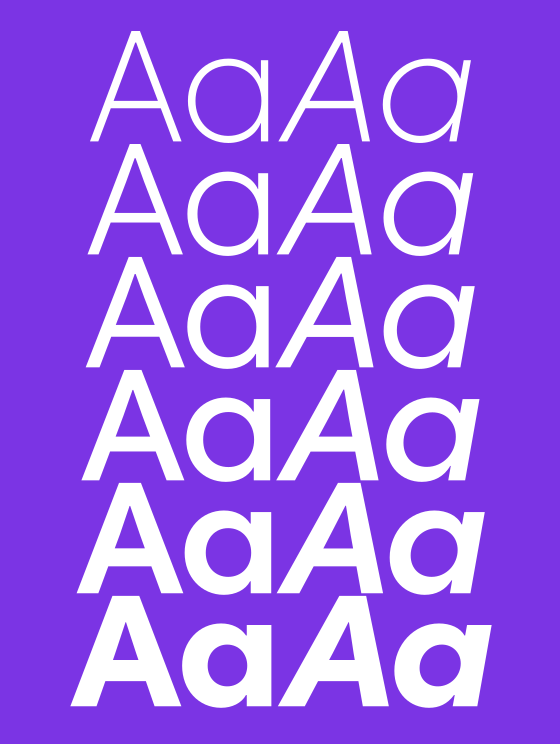
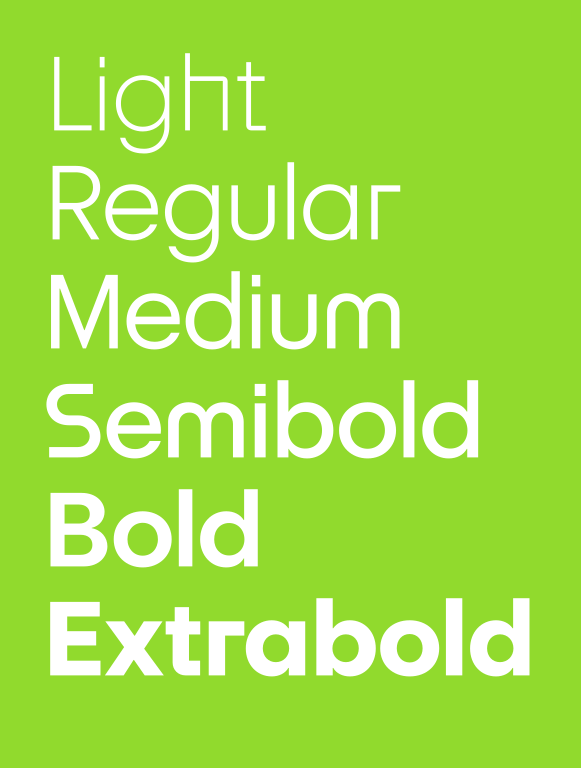
  • Light
  • Light Italic
  • Regular
  • Italic
  • Medium
  • Medium Italic
  • Semibold
  • Semibold Italic
  • Bold
  • Bold Italic
  • Extrabold
  • Extrabold Italic

Related Collection Riant Display, Riant Mono

Designer
Sibylle Hagmann
Version
1
Year published
2026
Pricing
$350.00, starting at $50.00
Formats
.otf, .ttf, .woff, variable

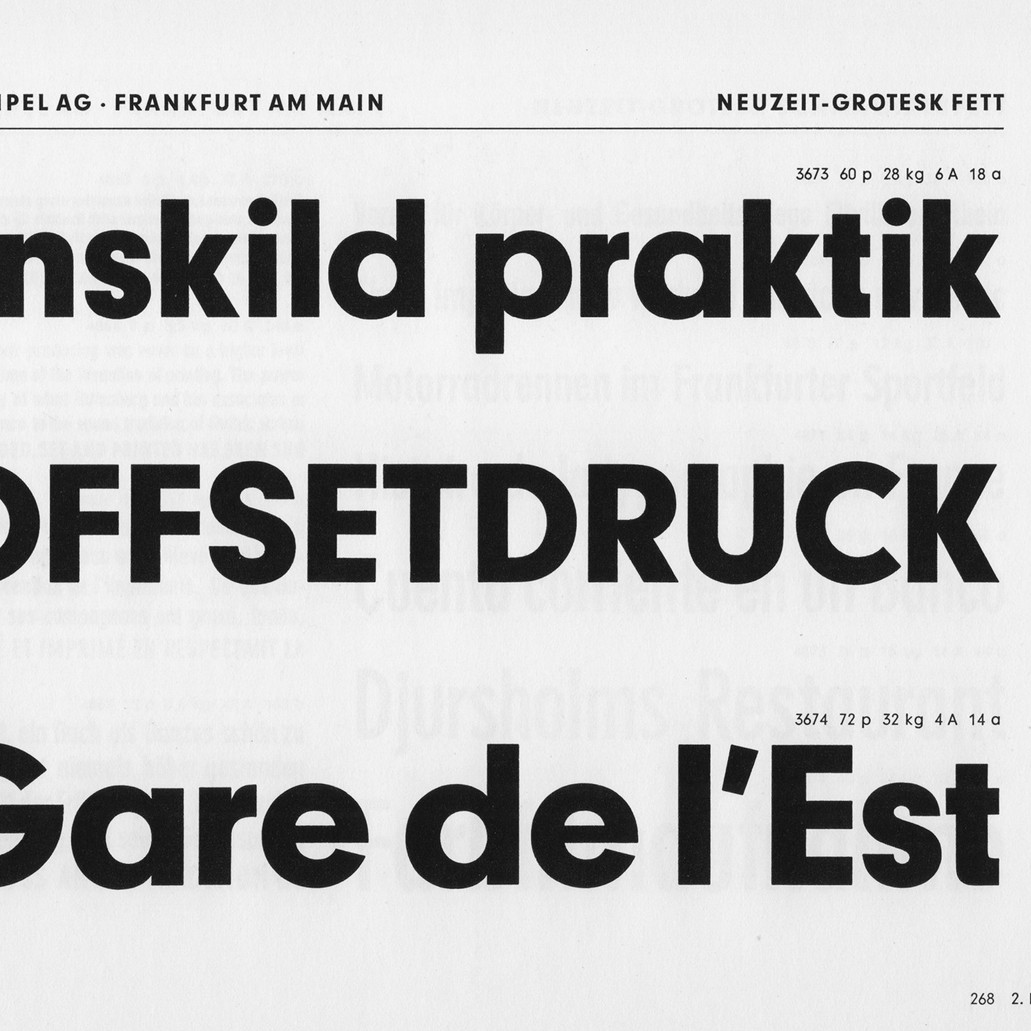
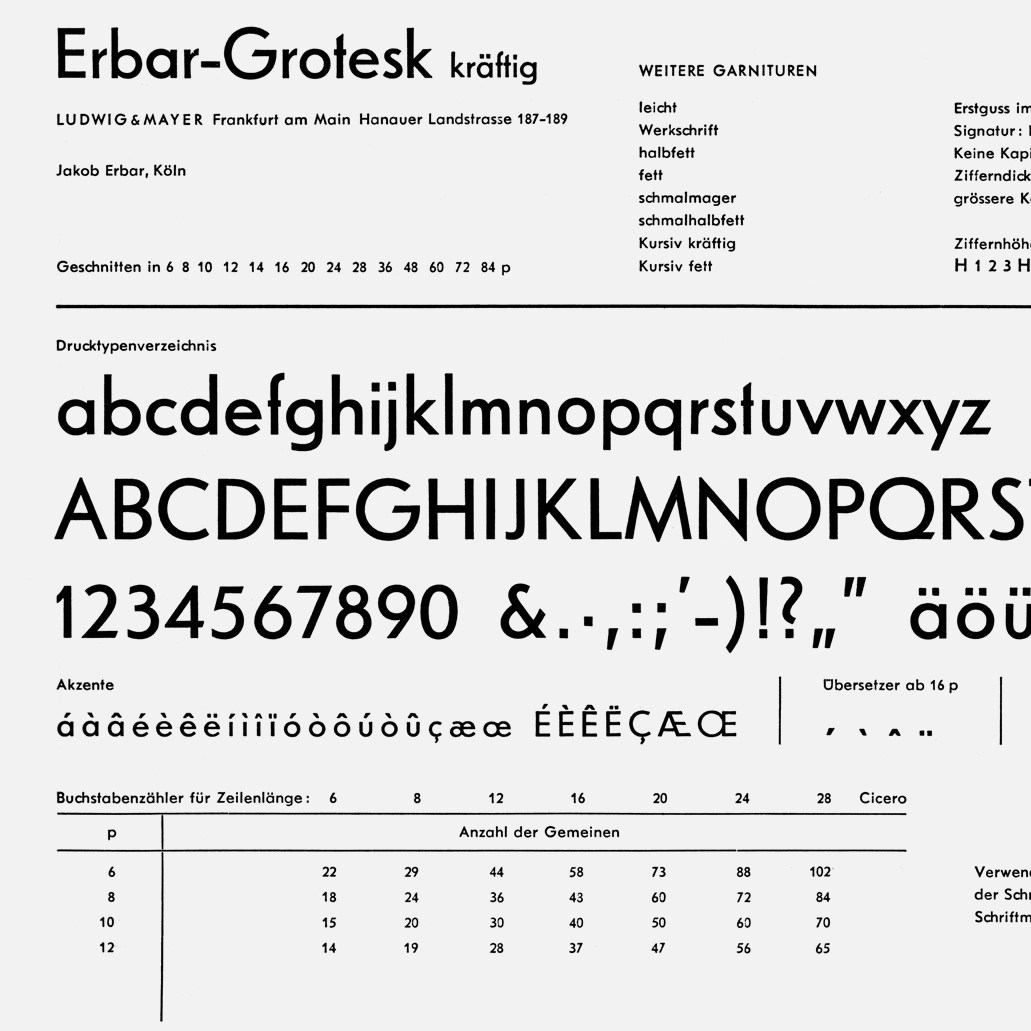
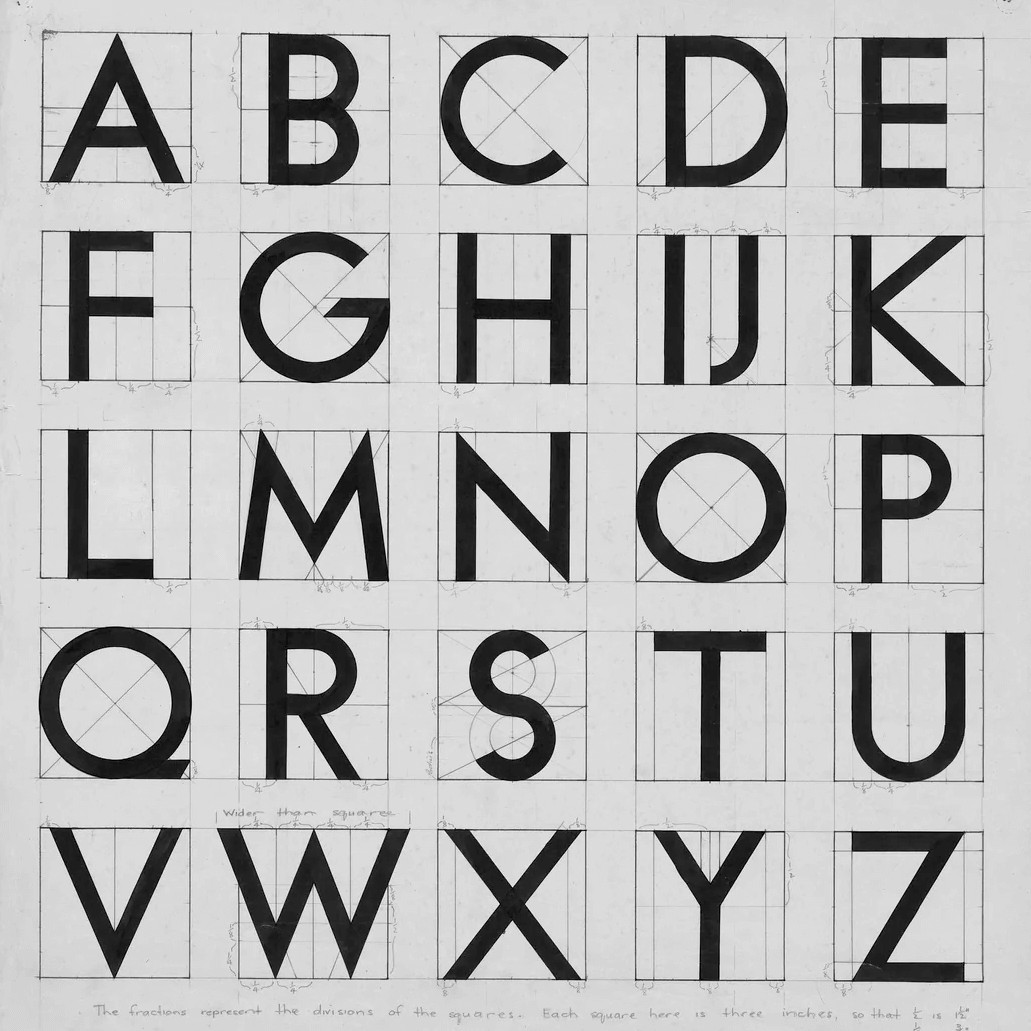
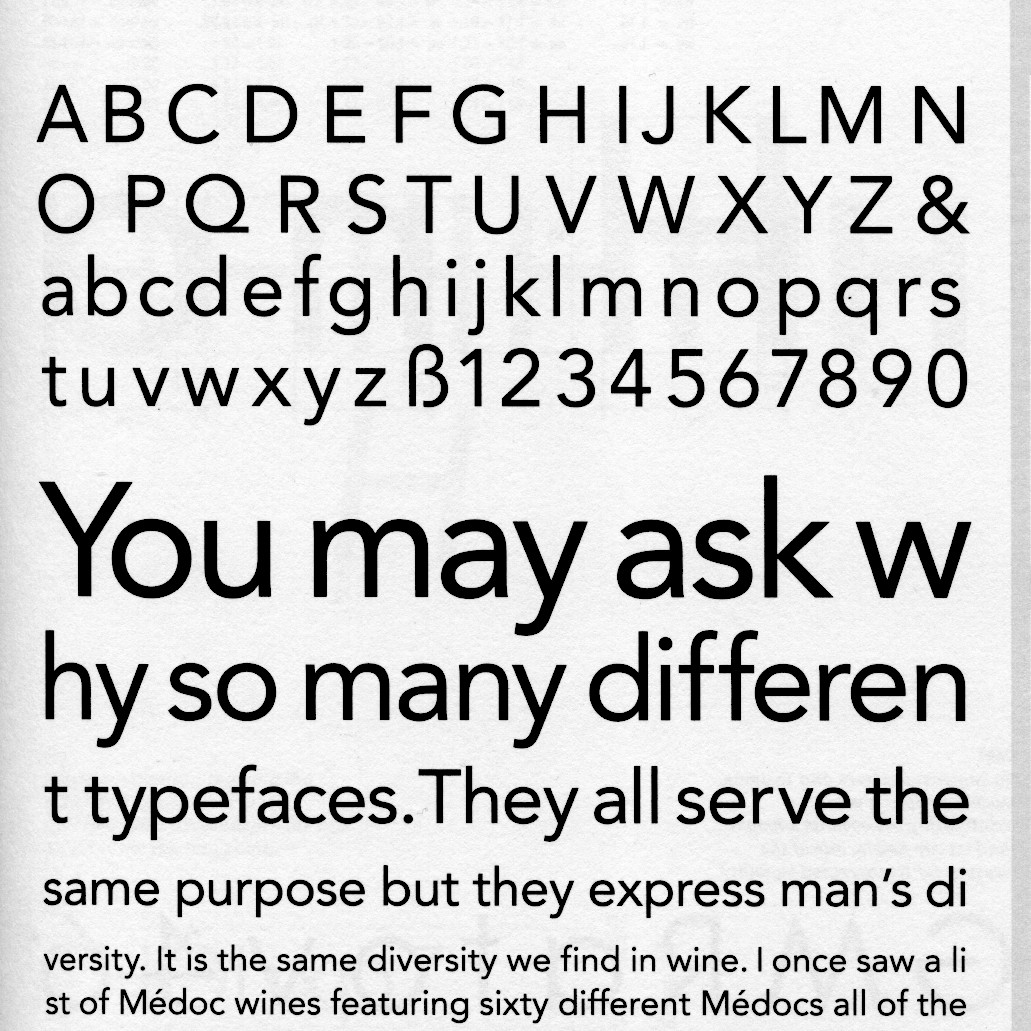
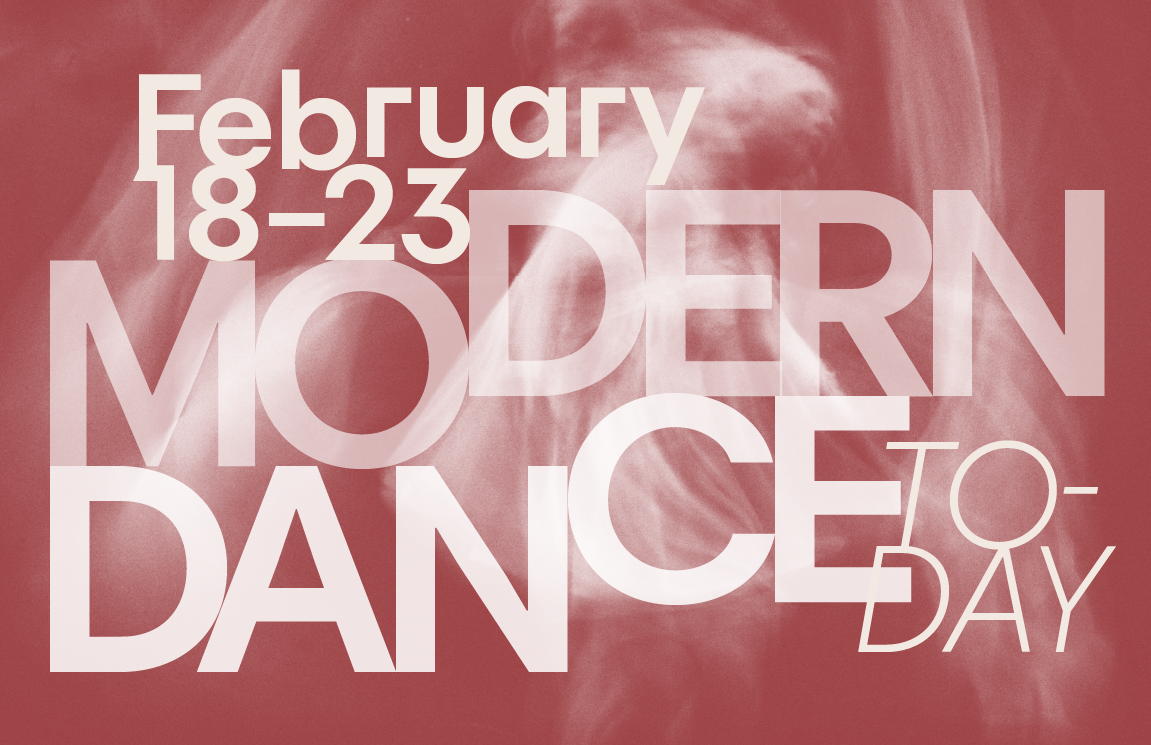
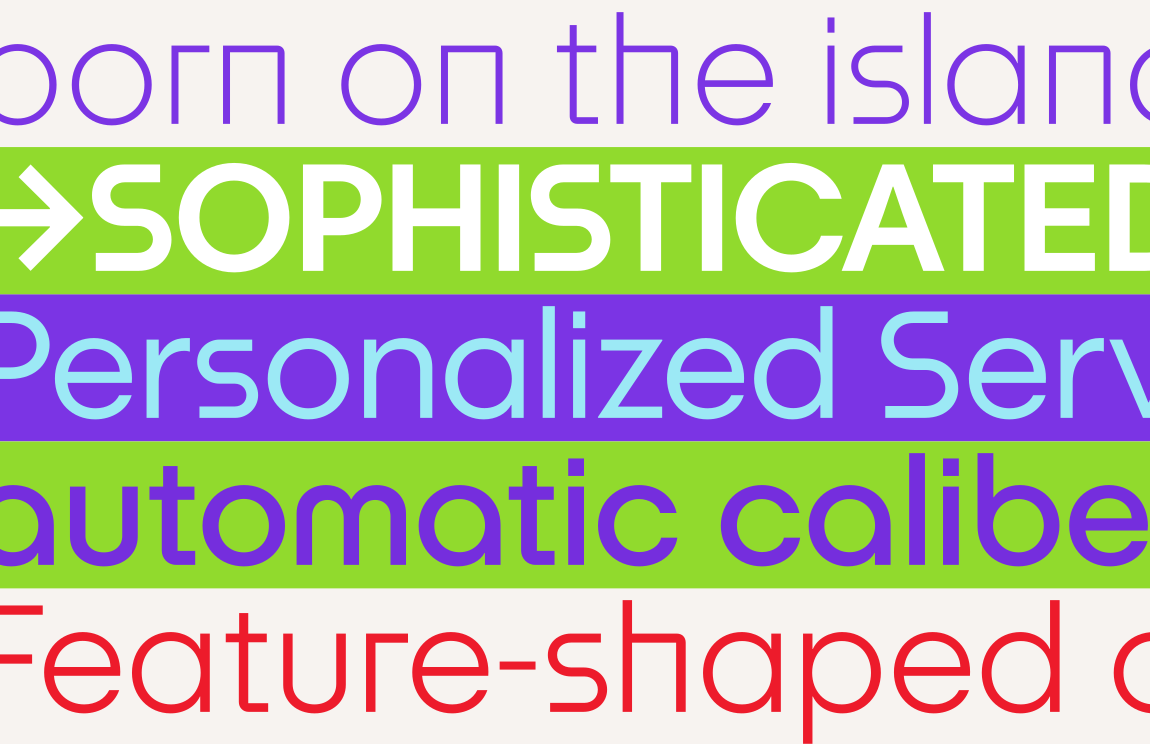
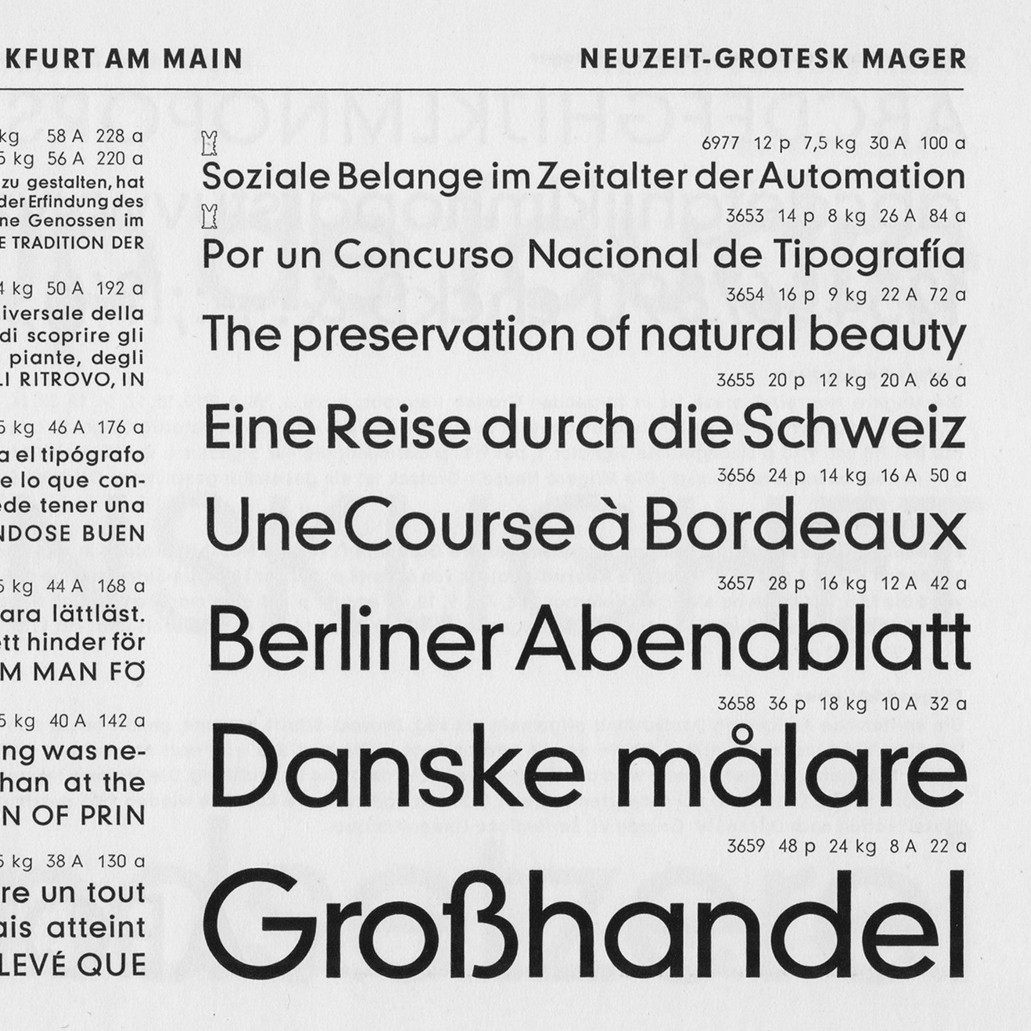
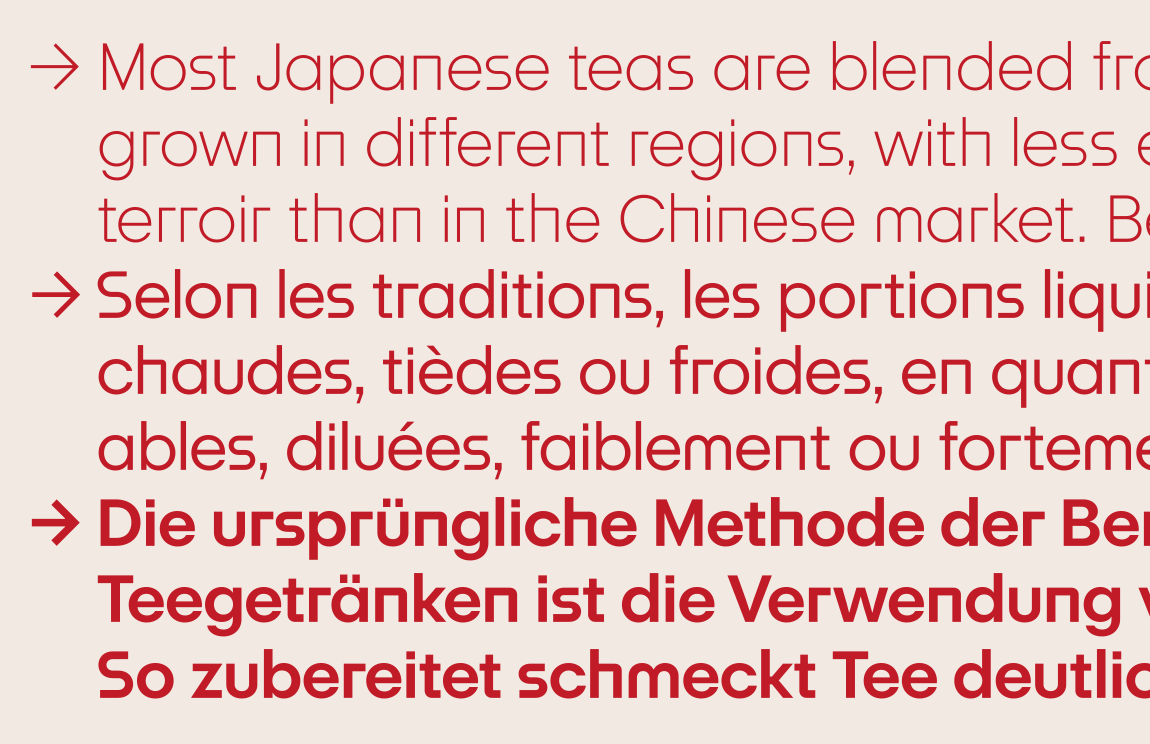
The Riant (Text) collection draws inspiration from historical concepts of geometric sans serif typefaces from the early 20th century, new to the world. During this era, basic shapes such as circles, squares, and triangles were increasingly ubiquitous in architecture, industrial design, and typography. Letterforms based on these fundamental shapes reflected the spirit of a new age. Historical geometrically constructed typefaces from the metal type era, often based on a stringent mathematical grid, lacked careful modulation that helps produce a poignant reading experience. The gestalt of Riant grew out of countless iterations to render unwieldy geometrical forms, diametrically opposed to humanist legibility beliefs, pleasant to read. Reconciling the two—constructed versus optical—the family is further referenced by 1920s geometric typefaces, such as Super Buchgrotesk, originally designed by Arno Drescher and adapted in the 1950s for Linotype matrices by VEB Typoart; Neuzeit Grotesk (1928–1929), a design by Wilhelm C. Pischner for the Stempel type foundry; and some, a couple of generations removed, such as Avenir by Adrian Frutiger, released in 1988 by Linotype, among others. The Riant family is firmly rooted in the now, reconciling a contemporary aesthetic with contemporary use in mind. OpenType features offer alternative lowercase a, b, d, g, p, and q, resulting collectively in a more rounded personality. For small text sizes, lowercase h, m, n, and r squared-off defaults can be replaced with stem-to-curve junctured ones following the classic canon. An angled lowercase e renders yet a different text texture, one that aligns with Riant Display. The Riant suite offers a typographic system suitable for continuous text sizes and scales beautifully for optically balanced headlines in both print and digital media.
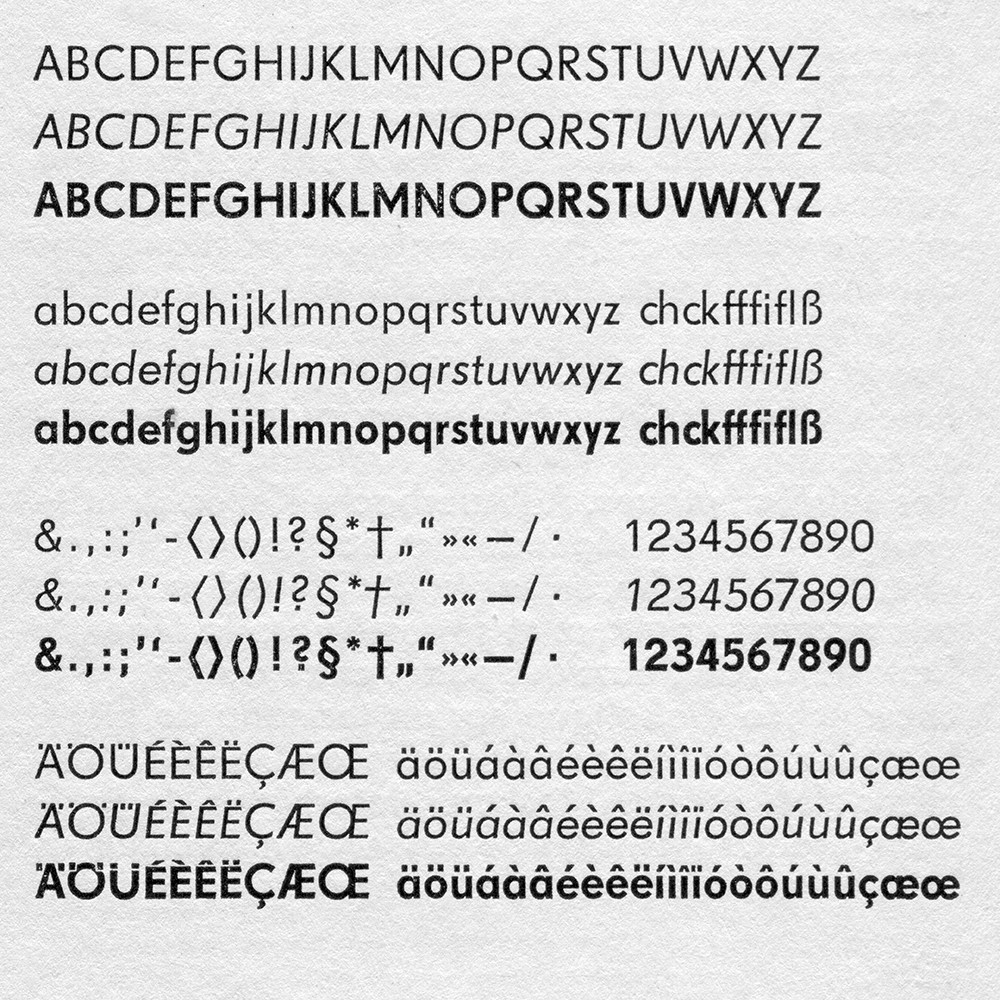
 

Afrikaans, Albanian, Asu, Basque, Bemba, Bena, Bosnian, Catalan, Cebuano, Chiga, Colognian, Cornish, Corsican, Croatian, Czech, Danish, Dutch, Embu, Esperanto, Estonian, Faroese, Filipino, Finnish, French, Friulian, Galician, Ganda, German, Gusii, Hungarian, Icelandic, Ido, Inari Sami, Indonesian, Interlingua, Irish, Italian, Javanese, Jju, Jola-Fonyi, Kabuverdianu, Kalaallisut, Kalenjin, Kamba, Kikuyu, Kinyarwanda, Koyra Chiini, Koyraboro Senni, Kurdish, Latvian, Lithuanian, Lojban, Low German, Lower Sorbian, Luo, Luxembourgish, Luyia, Machame, MakhuwaMeetto, Makonde, Malagasy, Malay, Maltese, Manx, Māori, Meru, Morisyen, Nigerian Pidgin, North Ndebele, Northern Sami, Northern Sotho, Norwegian Bokmål, Norwegian Nynorsk, Nyanja, Nyankole, Occitan, Oromo, Polish, Portuguese, Romanian, Romansh, Rombo, Rundi, Rwa, Samburu, Sango, Sangu, Sardinian, Scottish Gaelic, Sena, Shambala, Shona, Slovak, Slovenian, Soga, Somali, South Ndebele, Southern Sotho, Spanish, Sundanese, Swahili, Swati, Swedish, Swiss German, Taita, Taroko, Tasawaq, Teso, Tsonga, Tswana, Turkish, Turkmen, Upper Sorbian, Vunjo, Walloon, Walser, Welsh, Western Frisian, Wolof, Xhosa, Zarma, Zulu

All Roman and Italics styles include the same set of glyphs with additional stylistic alternatives.
Riant buying options

Choose fonts

Riant Complete Collection All Styles + Variable Fonts
$350.00
Riant Light
$50.00
Riant Light Italic
$50.00
Riant Regular
$50.00
Riant Italic
$50.00
Riant Medium
$50.00
Riant Medium Italic
$50.00
Riant Semibold
$50.00
Riant Semibold Italic
$50.00
Riant Bold
$50.00
Riant Bold Italic
$50.00
Riant Extrabold
$50.00
Riant Extrabold Italic
$50.00

Choose the license

Total

$0.00