LOADING
Artichokes
Regular
Defrosting
Book
From antiquity, peddlers filled the gaps in the formal market economy by providing consumers with the convenience of door-to-door service. They operated alongside town markets and fairs where they often purchased surplus stocks which were subsequently resold to consumers. Peddlers were able to distribute goods to the more geographically-isolated communities such as those who lived in mountainous regions of Europe. They also called on consumers who, for whatever reason, found it difficult to attend town markets. Thus, peddlers played an important role in linking these consumers and regions to wider trade routes. Some peddlers worked as agents or traveling salesmen for larger manufacturers and so were the precursor to the modern traveling salesman.
Narrow Regular
100% RECYCLABLE
Light
↑→↓↗
Medium
↙↑↘↗
Black
↘↗←↓
Narrow Regular
The main distinction between peddlers and other types of street vendor is that peddlers travel as they trade, rather than travel to a fixed place of trade. Peddlers travel around and approach potential customers directly whereas street traders set up a pitch or a stall and wait for customers to approach them. Although peddlers may stop to make a sale, they are precluded from remaining in the same place for lengthy periods.
Bold
traveling
salesman
Medium
Historically, peddlers used a variety of different transport modes: by means of a person or animal-drawn cart or wagon or used improvised carrying devices. In the US in the 1840s, peddlers used a sleigh when roads were snowbound and traveled by boat when traversing longer distances.
Light
In the United States, there was an upsurge in the number of peddlers in the late 18th century and this may have peaked in the decades just before the American Civil War. However, their numbers began to decline by the 19th century. Advances in industrial mass production and freight transportation as a result of the war laid the groundwork for the beginnings of modern retail and distribution networks, which gradually eroded much of the need for traveling salesmen.
Regular
The rise of popular Mail order catalogues (e.g. Montgomery Ward began in 1872) offered another way for people in rural or other remote areas to obtain items not readily available in local stores. A relatively short-lived upsurge in the number of peddlers was witnessed in the period following the Second World War, when the wartime manufacturing boom came to an abrupt end and returning soldiers were unable to secure work, peddling generally offered a decent income.
Semibold
Today, peddlers continue to travel by foot. However, they also use bicycle, hand-held carts, horse-drawn carts or drays and motorized vehicles such as motor-bikes as transport modes. To carry their wares, peddlers use purpose-built back-packs, barrows, hand-carts or improvised carrying baskets. Rickshaw peddlers are a relatively common sight across Asia. In the modern economy a new breed of peddler has been sent into the field as a form of direct marketing.
Medium
GUM jet
Medium
GUM jet
Black Italic
Furniture
Semibold Italic
Medieval
Book Italic
Customer
Specimen PDF Download Test fonts Buy licenses

Utile

  • Light
  • Light Italic
  • Book
  • Book Italic
  • Regular
  • Italic
  • Medium
  • Medium Italic
  • Semibold
  • Semibold Italic
  • Bold
  • Bold Italic
  • Black
  • Black Italic

Utile Narrow

  • Narrow Light
  • Narrow Book
  • Narrow Regular
  • Narrow Medium
  • Narrow Semibold
  • Narrow Bold
  • Narrow Black

Related Collection Utile Display

Designer
Sibylle Hagmann
Version
1.502
Year published
2019
Pricing
$375.00, starting at $50.00
Formats
.otf, .ttf, .woff

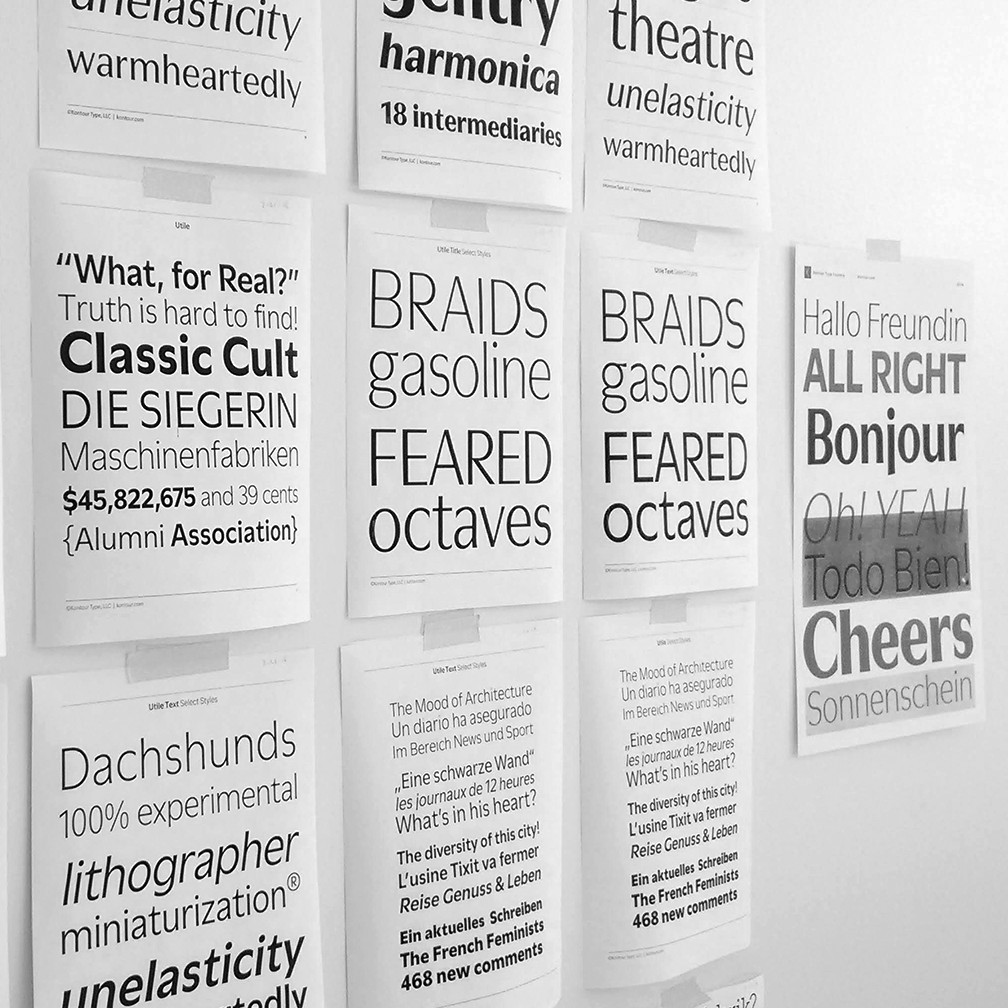
Utile and Utile Display are elegantly flared sans in two finishes suited for continuous smaller-sized text and corresponding display typography, with an overarching aim for superb legibility and optical balance. Designed with clarity and function in mind, Utile (text) features a solid letter build with carefully weighed spacing for ongoing passages of text, and form definitions compensating for trapped ink and low pixel density. Utile Display, a modulated sans, pays tribute to the contrast of thick and thin, feeling right at home in title compositions with tighter letter spacing and re-proportioned designs. The contrasted sans promotes a timeless elegance and lively aesthetic that comes especially to light in larger sizes. The slightly curved stem modulation of the Utile Collection, uniquely asymmetrical in its application, attempts to maintain a balancing act between swelled strokes and the absence of such, a feature in tune with open counters and vertical stroke ends, yielding a dynamic quality. Open Type features include figures for text and tables, stylistic alternates, fractions, and more. The ample weight scale and multipurpose variety of text and display is intended, but not limited, for contemporary identity-branding, editorial and advertising for print and screen programs.

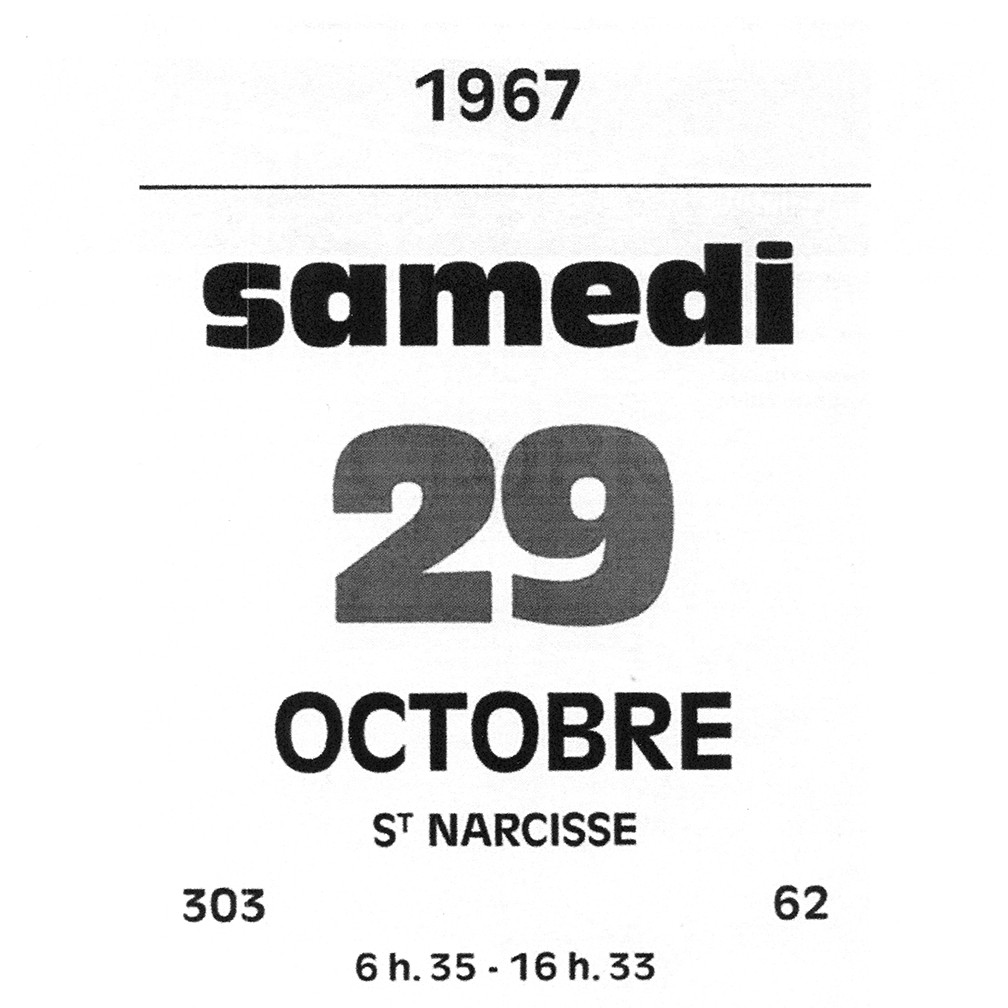
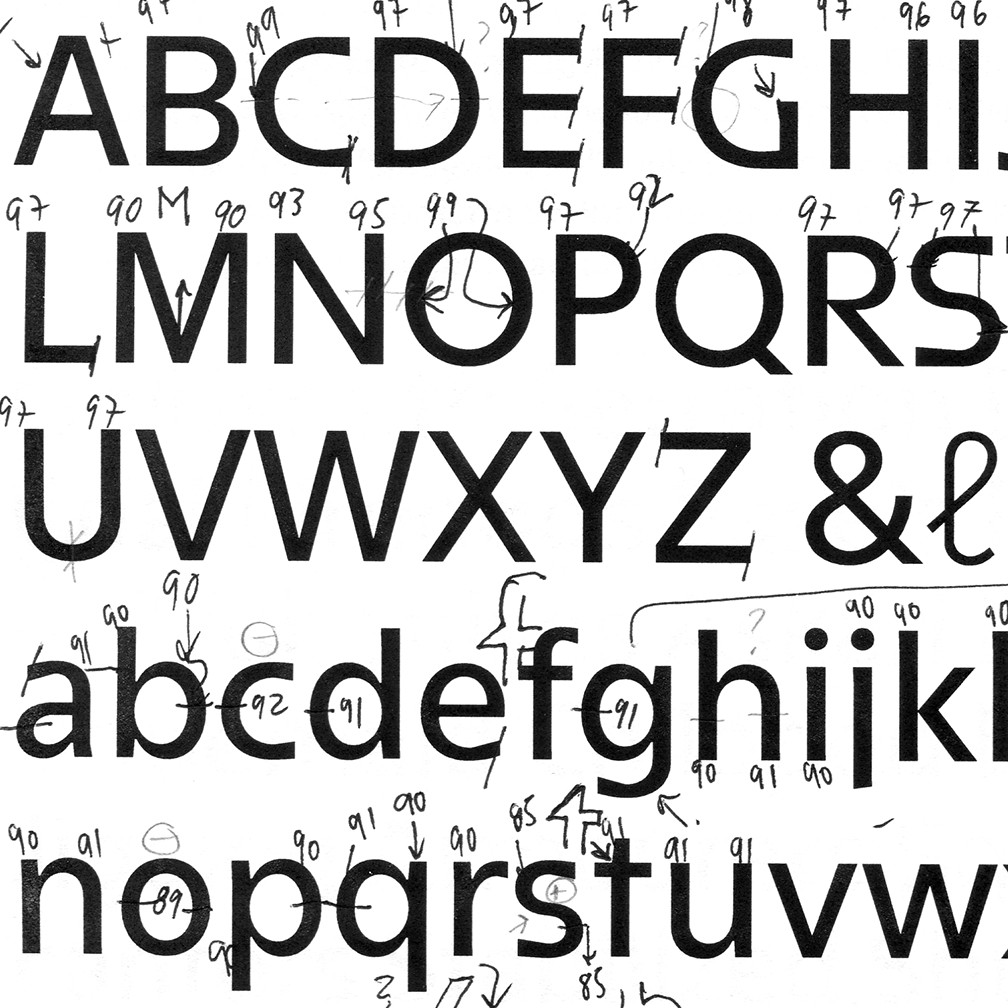
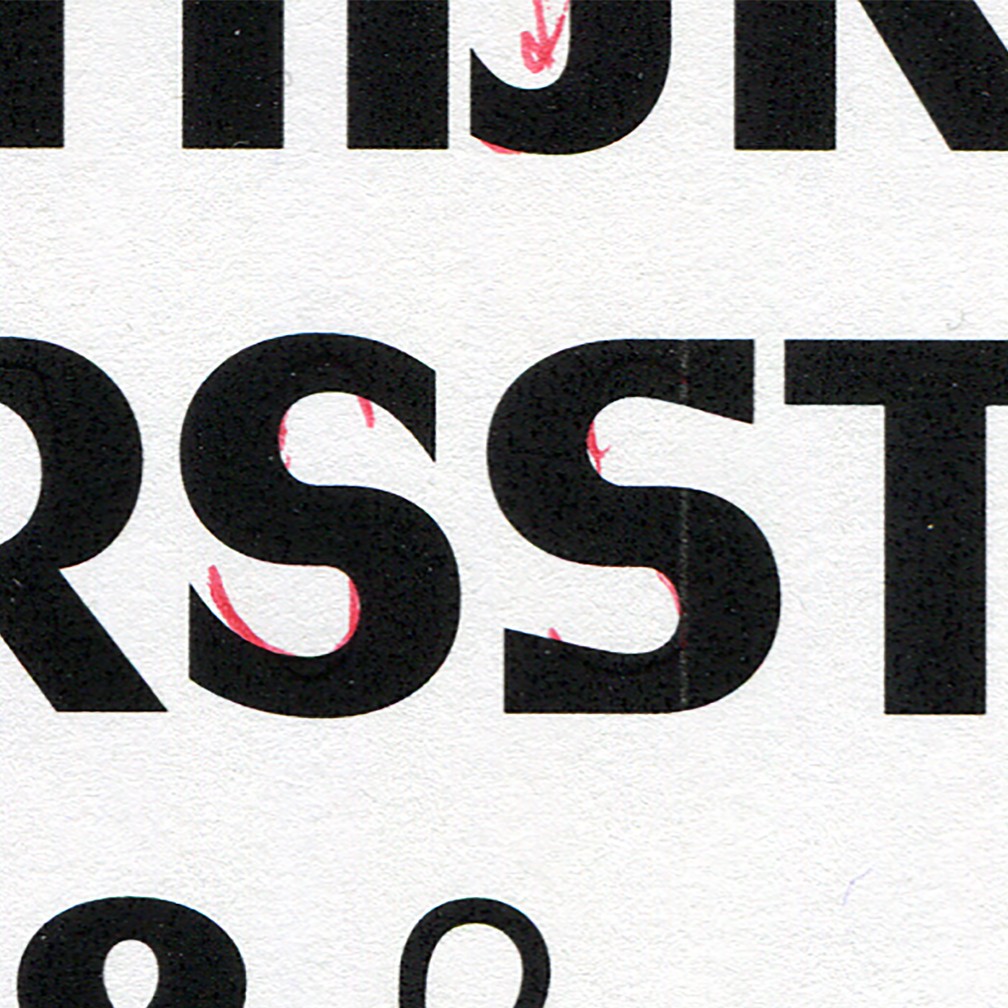
Utile started out as an extensive study of numerous sans-serif typefaces that have their roots in the type classification of static Grotesks and Neo Grotesks. In parallel to this exploration and during the design process, divergent consideration came into play, such as maximum flat-open apertures in upper cases (C, G, S) and lower cases (c, s), a concept that was later abandoned to return to more measured apertures with moderately open humanist lower case forms to enhance the reading experience for smaller set text.

Although the concept of flat-open apertures was set aside, it provoked an exploration of stroke contrast and an addition of glyphic details that led to lightly swelled terminals for both text and display styles. The asymmetrical incised stem definitions, applied with measure, help to render the type rhythmically animated with a touch of classical letter heritage. To keep reverberations of the pen at its lowest, the majority of upper cases are then also mostly spared of glyphic details generally maintaining a sans identity. The Utile collection is reminiscent of typefaces designed during the mid 20th century enunciating a certain elegance and fluidity.
 

Afrikaans, Albanian, Basque, Bosnian, Breton, Catalan, Cornish, Croatian, Czech, Danish, Dutch, English, Esperanto, Estonian, Faroese, Finnish, French, Frisian, Friulian, Gaelic (Manx), Gaelic (Scottish), Galician, German, Hawaiian, Hungarian, Icelandic, Indonesian, Irish, Irish Gaelic, Italian, Karelian, Kurdish, Latin, Leonese, Latvian, Lithuanian, Luxembourgish, Maltese, Moldavian (Latin), Norwegian, Polish, Portuguese, Rhaeto-Romanic, Romanian, Sami, Serbian (Latin), Slovak, Slovenian, Sorbian, Spanish, Swahili, Swedish, Turkish, Welsh, Walloon


Utile buying options

Choose fonts

Utile Complete Collection Includes the complete family of roman + italic styles
$375.00
Utile Narrow Complete Collection Includes the complete family of roman narrow styles
$225.00
Utile + Utile Narrow Complete Collection Includes the complete family of roman + italic, and roman narrow styles
$500.00
Utile Light
$50.00
Utile Light Italic
$50.00
Utile Book
$50.00
Utile Book Italic
$50.00
Utile Regular
$50.00
Utile Regular Italic
$50.00
Utile Medium
$50.00
Utile Medium Italic
$50.00
Utile Semibold
$50.00
Utile Semibold Italic
$50.00
Utile Bold
$50.00
Utile Bold Italic
$50.00
Utile Black
$50.00
Utile Black Italic
$50.00
Utile Narrow Light
$50.00
Utile Narrow Book
$50.00
Utile Narrow Regular
$50.00
Utile Narrow Medium
$50.00
Utile Narrow Semibold
$50.00
Utile Narrow Bold
$50.00
Utile Narrow Black
$50.00

Choose the license

Total

$0.00