LOADING
Atmospheric
Semibold Italic
major component
Light
→Fabulous Superlatives←
Regular
The major cause of rain production is moisture moving along three-dimensional zones of temperature and moisture contrasts known as weather fronts. If enough moisture and upward motion is present, precipitation falls from convective clouds (those with strong upward vertical motion) such as cumulonimbus (thunder clouds) which can organize into narrow rainbands. In mountainous areas, heavy precipitation is possible where upslope flow is maximized within windward sides of the terrain at elevation which forces moist air to condense and fall out as rainfall along the sides of mountains. On the leeward side of mountains, desert climates can exist due to the dry air caused by downslope flow which causes heating and drying of the air mass. The movement of the monsoon brings rainy seasons.
Labels
K L M N O P Q R S T
Semibold Italic
Utilitarianism
Box Headings
abcde
Light
Air contains water vapor, and the amount of water in a given mass of dry air, known as the mixing ratio, is measured in grams of water per kilogram of dry air (g/kg). The amount of moisture in the air is also commonly reported as relative humidity; which is the percentage of the total water vapor air can hold at a particular air temperature. How much water vapor a parcel of air can contain before it becomes saturated (100% relative humidity) and forms into a cloud (a group of visible tiny water or ice particles suspended above the Earth’s surface) depends on its temperature.
Regular
As these larger water droplets descend, coalescence continues, so that drops become heavy enough to overcome air resistance and fall as 100% rain. Coalescence generally happens most often in clouds above freezing and is also known as the warm rain process. In clouds below freezing, when ice crystals gain mass they begin to fall. This generally requires more mass than coalescence when occurring between the crystal and neighboring water droplets. This process is temperature dependent, as supercooled water droplets only exist in a cloud that is below freezing.
Bold
Radiational cooling occurs due to the emission of infrared radiation, either by the air or by the surface underneath. Evaporative cooling occurs when moisture is added to the air through evaporation, which forces the air temperature to cool to its wet-bulb temperature, or until it reaches saturation. The main ways water vapor is added to the air are wind convergence into areas of upward motion, precipitation or falling from above, daytime heating evaporating water from the surface of oceans, or water bodies.
Semibold Italic
Coalescence occurs when water droplets fuse to create larger water droplets. Air resistance typically causes the water droplets in a cloud to remain stationary. When air turbulence occurs, water droplets collide, producing larger droplets.
Book
Thunderstorms
Condensed Book
The wet, or rainy, season is the time of year, covering one or more months, when most of the average annual rainfall in a region falls. The term green season is also sometimes used as a euphemism by tourist authorities. Areas with wet seasons are dispersed across portions of the tropics and subtropics. Savanna climates and areas with monsoon regimes have wet summers and dry winters. Tropical rainforests technically do not have dry or wet seasons, since their rainfall is equally distributed through the year. Some areas with pronounced rainy seasons will see a break in rainfall mid-season when the Intertropical Convergence Zone or monsoon trough move poleward of their location during the middle of the warm season. When the wet season occurs during the warm season, or summer, rain falls mainly during the late afternoon and early evening hours. The wet season is a time when both air quality and freshwater quality improves. Tropical cyclones, a source of very heavy rainfall, consist of large air masses several hundred miles across with low pressure at the centre and with winds blowing inward towards the centre in either a clockwise direction (southern hemisphere) or counterclockwise (northern hemisphere). Although cyclones can take an enormous toll in lives and personal property, they may be important factors in the precipitation regimes of places they impact, as they may bring much-needed precipitation to otherwise dry regions. Partly as a result of warming, monthly rainfall is about 28% greater.
Condensed Black
Rainband
Specimen PDF Download Test fonts Buy licenses

Kopius Condensed

  • Condensed Light
  • Condensed Book
  • Condensed Regular
  • Semibold
  • Condensed Bold
  • Condensed Extrabold
  • Condensed Black

Kopius

  • Light
  • Light Italic
  • Book
  • Regular
  • Book Italic
  • Regular Italic
  • Semibold
  • Semibold Italic
  • Bold
  • Bold Italic
  • Extrabold
  • Extrabold Italic
  • Black
  • Black Italic

Kopius Extras

  • nN oO uU vV qQ sS
  • LMKQST

Designer
Sibylle Hagmann
Version
1.001
Year published
2016
Pricing
$375.00, starting at $50.00
Formats
.otf, .ttf, .woff

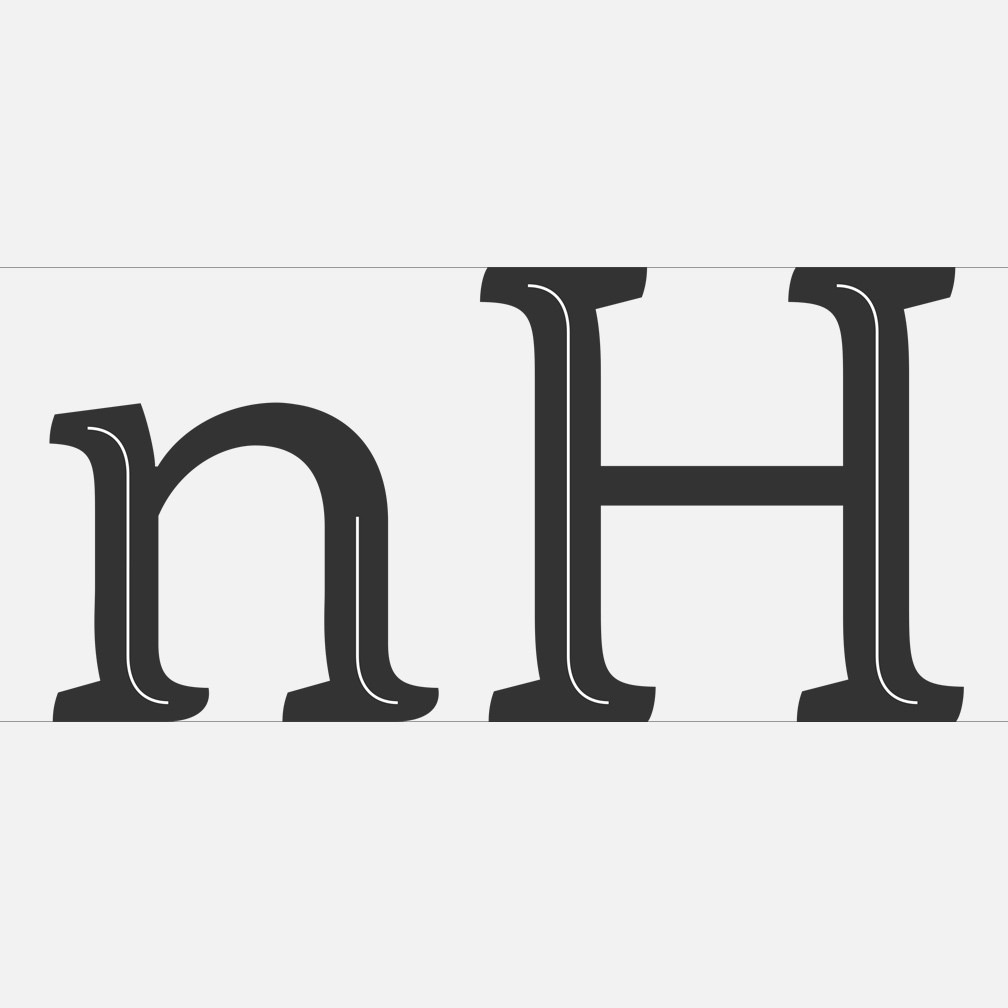
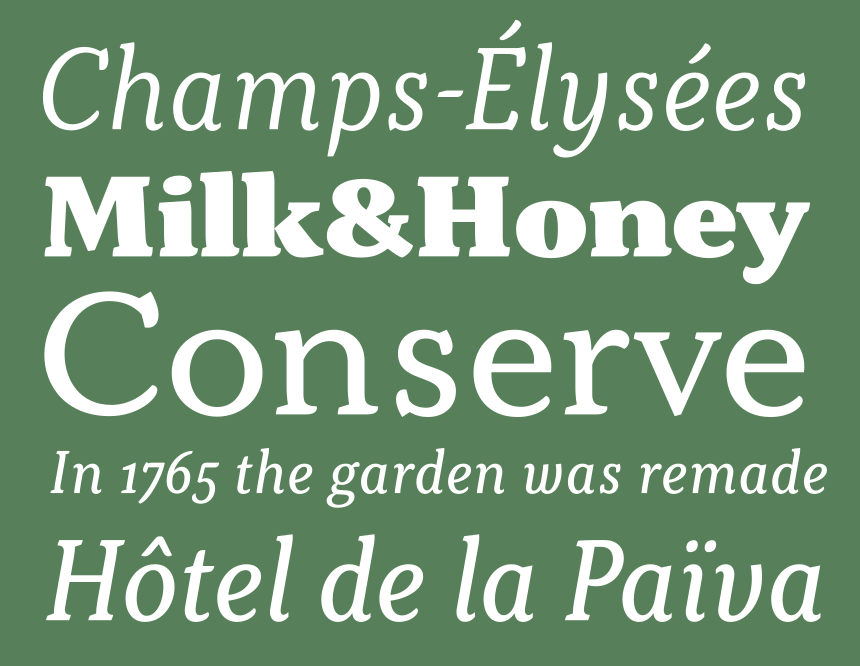
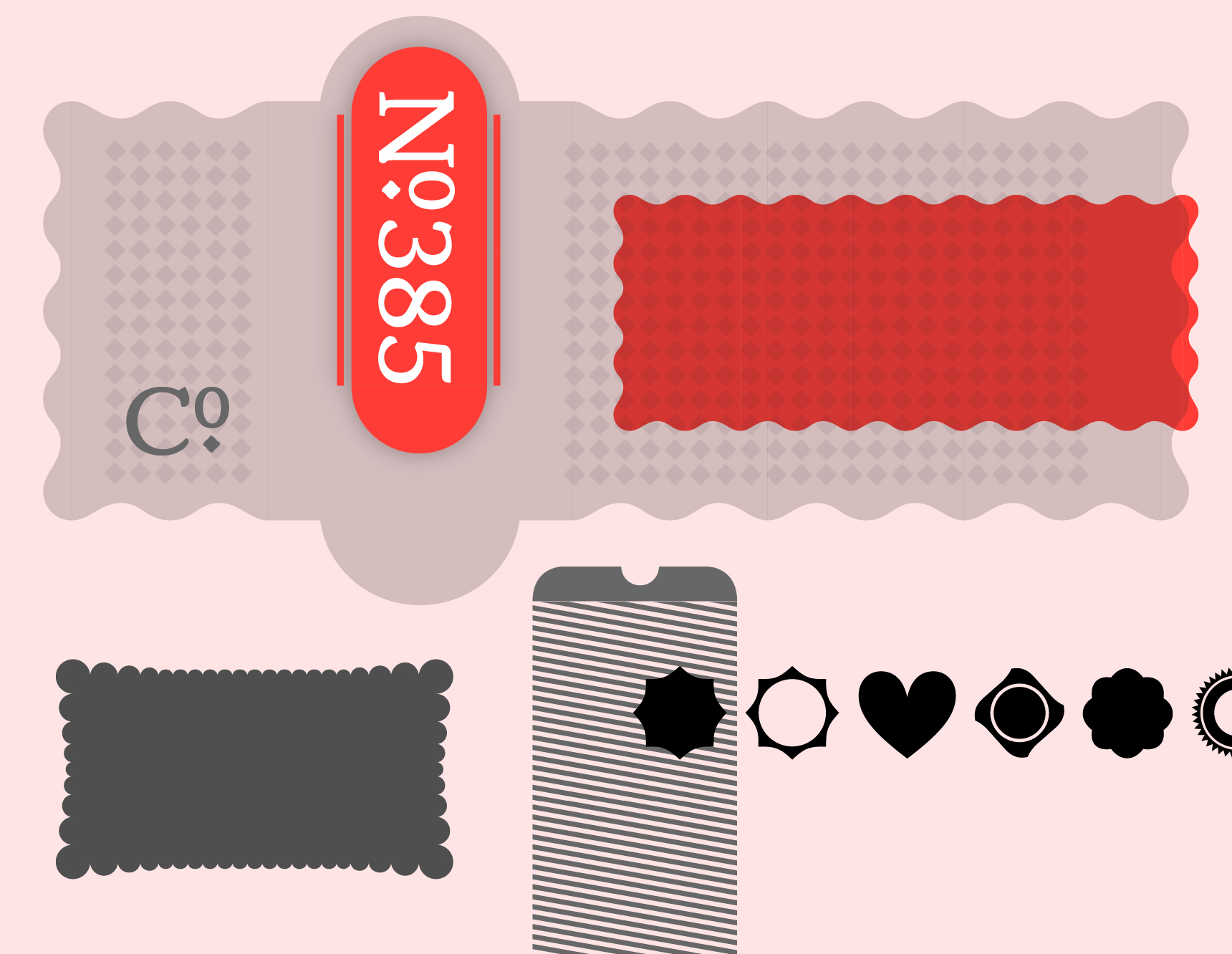
The Kopius family is a contemporary serif type that features friendly characteristics with round, open counters conveying a relaxed ambiance. The robustness of the characters supports a wide variety of applications including editorial and display use. The uniquely defined glyph construction and serif shapes convey an allusion to a brush stroke that bestows a texture-rich appearance entirely in tune with functionality. The top and bottom slightly curved stems help the flow of the reading direction. Kopius is an exuberant family with a multifaceted repertoire. The upbeat type comes with a multitude of weights to satisfy any fanciful appetite for a colorful typographic palette. With packaging solutions in mind the family includes sets of expandable and combinable box heading material for a boundless range of adjusted composites.

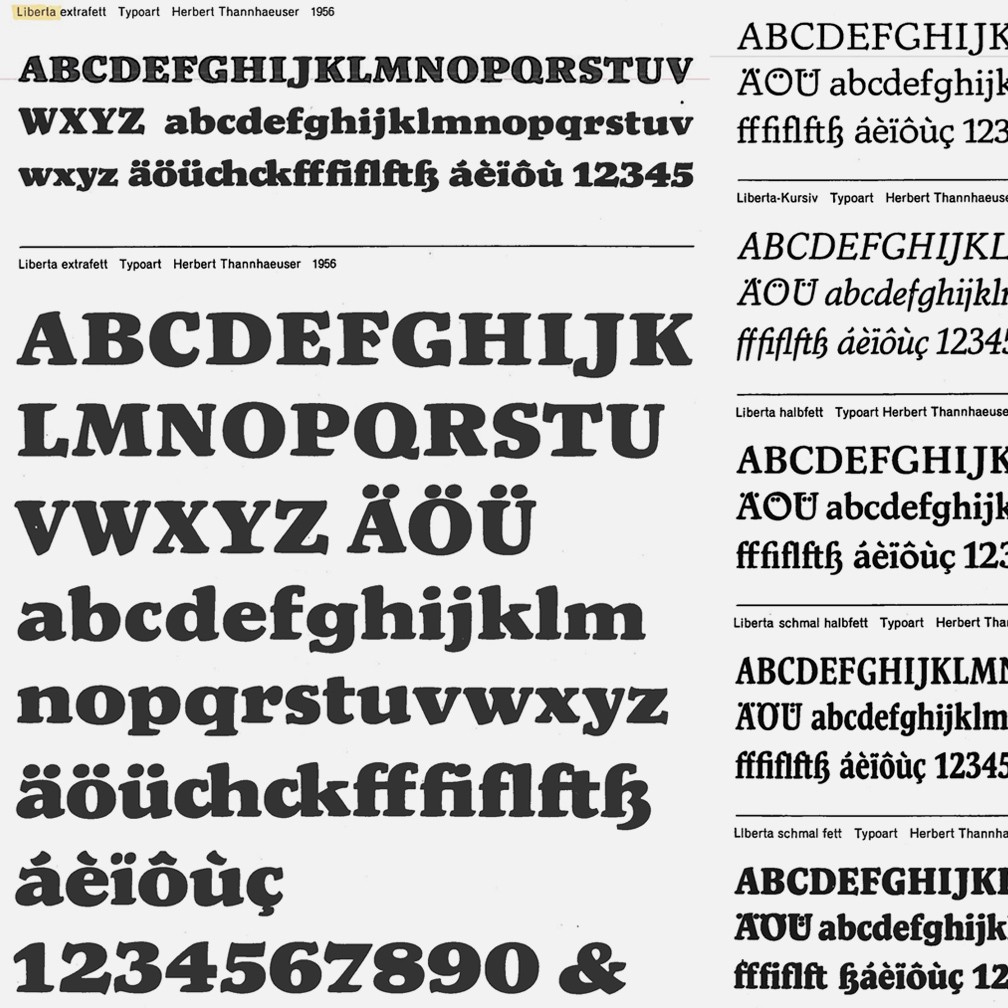
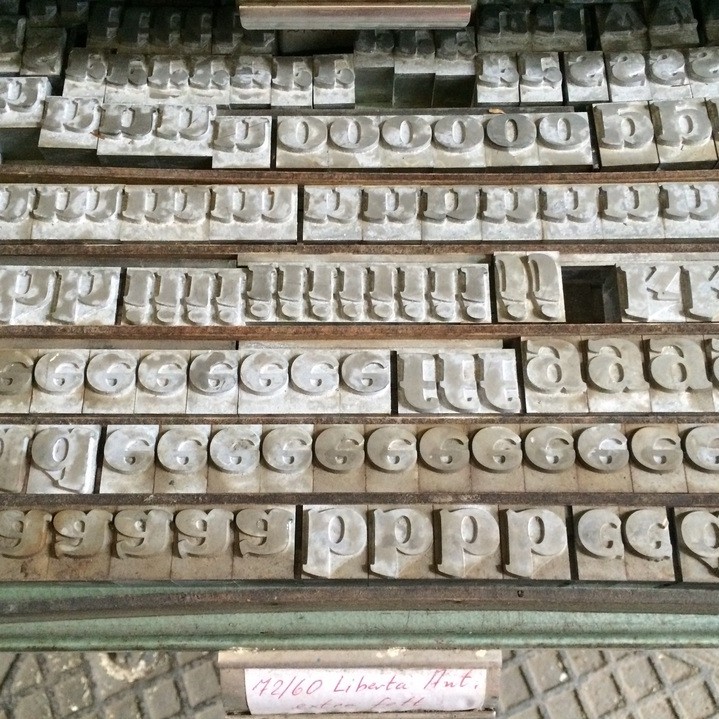
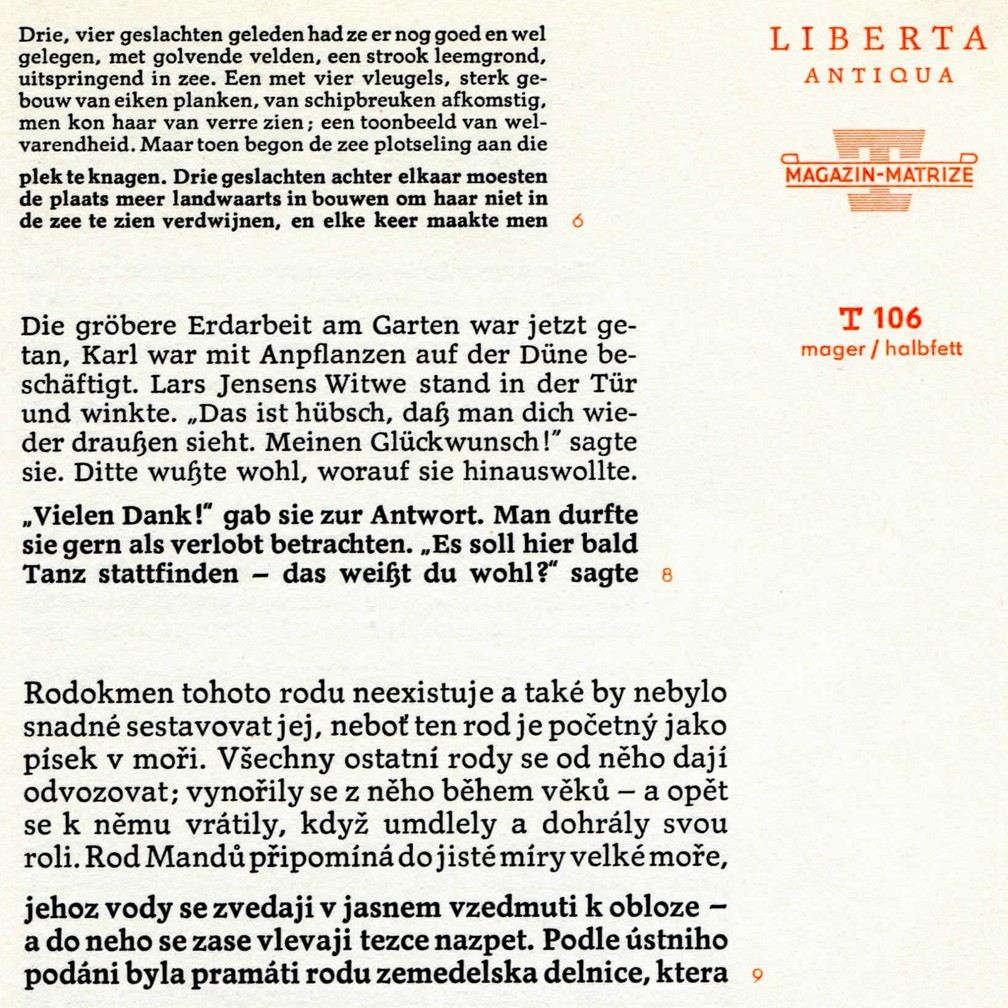
In addition, pertinent labels, weight-adjusted arrows, and word logos complete the Kopius family. OpenType provides advanced layout features including figure sets, small caps, fractions, and more. Herbert Thannhaeuser’s Liberta, an Antiqua type family designed for the East German type foundry VEB Typoart between the middle to end 1950s, has stirred the initial inspiring force for Kopius. Open and modern typeface proportions further characterize Kopius’ letter dimensions. With its affable yet serious demeanor, Kopius is confidently assuming numerous typographic tasks.

Please refer to the Kopius PDF specimen that includes keyboard maps and OpenType feature instructions for box headings and word logo applications.
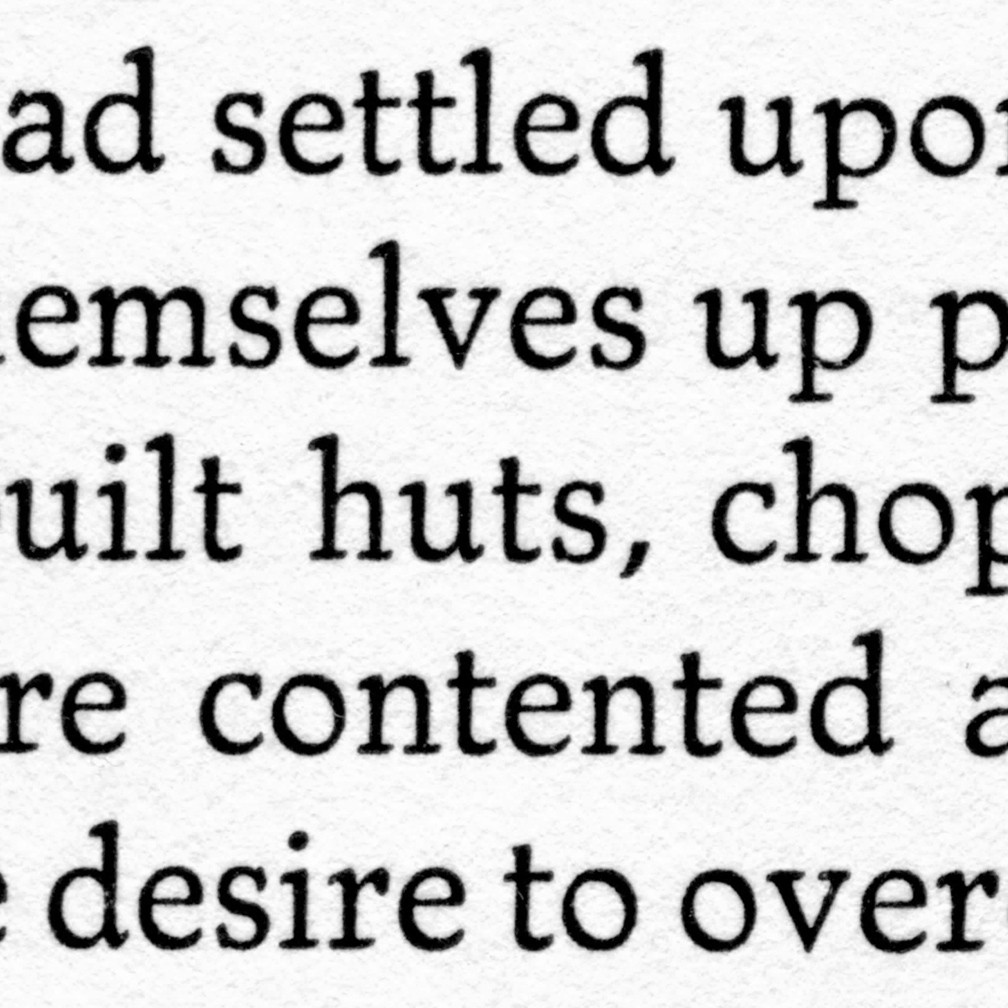
 

Afrikaans, Albanian, Basque, Bosnian, Breton, Catalan, Cornish, Croatian, Czech, Danish, Dutch, English, Esperanto, Estonian, Faroese, Finnish, French, Frisian, Friulian, Gaelic (Manx), Gaelic (Scottish), Galician, German, Hawaiian, Hungarian, Icelandic, Indonesian, Irish, Gaelic, Italian, Karelian, Latin, Latvian, Lithuanian, Luxemburgish, Maltese, Moldavian (Latin), Norwegian, Polish, Portuguese, Rhaeto-Romanic, Romanian, Sami, Serbian (Latin), Slovak, Slovenian, Sorbian, Spanish, Swahili, Swedish, Turkish, Welsh
Kopius buying options

Choose fonts

Kopius Complete Collection Includes the complete family of roman + italic styles + Extras
$375.00
Kopius Mini Collection Core styles only + Extras
$250.00
Kopius Condensed Complete Collection Includes condensed roman styles + Extras
$225.00
Kopius Light
$50.00
Kopius Light Italic
$50.00
Kopius Book
$50.00
Kopius Book Italic
$50.00
Kopius Regular
$50.00
Kopius Italic
$50.00
Kopius Semibold
$50.00
Kopius Semibold Italic
$50.00
Kopius Bold
$50.00
Kopius Bold Italic
$50.00
Kopius Extrabold
$50.00
Kopius Extrabold Italic
$50.00
Kopius Black
$50.00
Kopius Black Italic
$50.00
Kopius Condensed Light
$50.00
Kopius Condensed Book
$50.00
Kopius Condensed Regular
$50.00
Kopius Condensed Semibold
$50.00
Kopius Condensed Bold
$50.00
Kopius Condensed Extrabold
$50.00
Kopius Condensed Black
$50.00
Kopius Extras Box Headings
$50.00
Kopius Extras Labels
$50.00

Choose the license

Total

$0.00