LOADING
CALCULATOR
Light
Handcrafted
Regular
active
Stencil Black
active
Light
BY SCALING THE RESULTING MAP, two parallels can be assigned unit scale, with scale decreasing between the two parallels and increasing outside them. This gives the map two standard parallels. In this way, deviation from unit scale can be minimized within a region of interest that lies largely between the two standard parallels. Unlike other conic projections, no true secant form of the projection exists because using a secant cone does not yield the same scale along both standard parallels.
Regular
BY SCALING THE RESULTING MAP, two parallels can be assigned unit scale, with scale decreasing between the two parallels and increasing outside them. This gives the map two standard parallels. In this way, deviation from unit scale can be minimized within a region of interest that lies largely between the two standard parallels. Unlike other conic projections, no true secant form of the projection exists because using a secant cone does not yield the same scale along both standard parallels.
Bold
BY SCALING THE RESULTING MAP, two parallels can be assigned unit scale, with scale decreasing between the two parallels and increasing outside them. This gives the map two standard parallels. In this way, deviation from unit scale can be minimized within a region of interest that lies largely between the two standard parallels. Unlike other conic projections, no true secant form of the projection exists because using a secant cone does not yield the same scale along both standard parallels.
Bold Italic
kinematograph
Light
Conceptually, the projection conformally maps the surface of the Earth to a cone.
Bold
Rainstorm
Light
Peripheral
Bold
Scale
and
Shape
Regular
The scale of a map is a numerical value that indicates how measurements on the map relate to the reality they depict. Map scales are typically stated as a ratio, such as 1:12,000, which means that every centimeter (cm) on the map represents 12,000 cm (or 120 m) on the ground. Scales can be useful in many contexts. For example, a navigator can measure the distance between two points on a map, and divide by the scale to obtain an approximate value of the distance between the two points in the world. Maps can be created in a variety of shapes. A common shape is rectangular, but some polar maps are circular in shape. The edge of a map’s geographic content is delimited by a neatline; the region outside the neatline is the margin. In some maps, the neatline may not be a perfect rectangle or may not have 90-degree corners.
Italic
Semitrucks
Black Italic
Gridlocked
Italic
In cartography, a map is a representation or abstraction of geographic reality. Maps are used for a wide range of purposes, including navigation, scientific research, governance, and warfare. A common use is route planning, which enables users to find their way to their destination. Specialized maps, called charts, are used for nautical navigation (nautical charts) and aviation (aeronautical charts). Scientists use maps to organize spatial data in fields such as geology, meteorology, seismology and demographics. Governments use maps for administrative functions such as census, electoral districts, property taxation, dispatching police, and coordinating disaster relief. Military and security organizations use maps for mission planning, surveillance, border management, logistics, and intelligence analysis.
Bold
1 cm on the map corresponds to
600,000 cm = 6 km on the ground
Stencil Light
EARTHBOUND
Specimen PDF Download Test fonts Buy licenses

Axia

  • Light
  • Light Italic
  • Regular
  • Italic
  • Bold
  • Bold Italic
  • Black
  • Black Italic

Axia Stencil

  • Stencil Light
  • Stencil Black

Designer
Sibylle Hagmann
Version
1.001
Year published
2012
Pricing
$300.00, starting at $50.00
Formats
.otf, .ttf, .woff

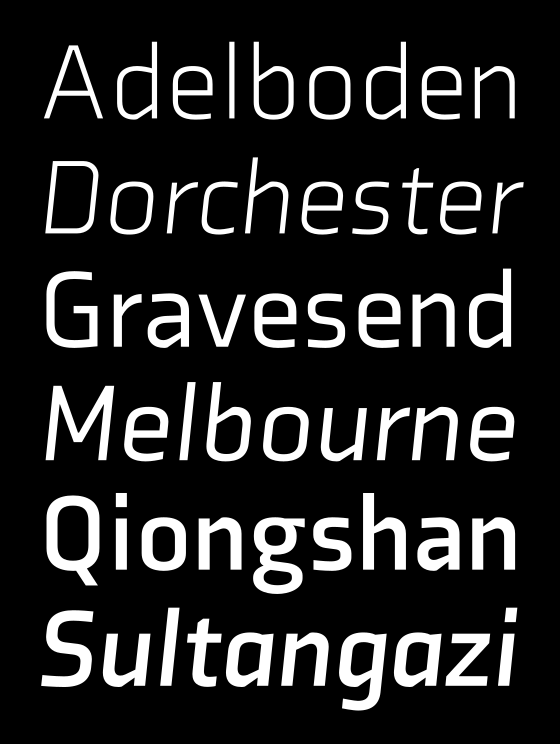
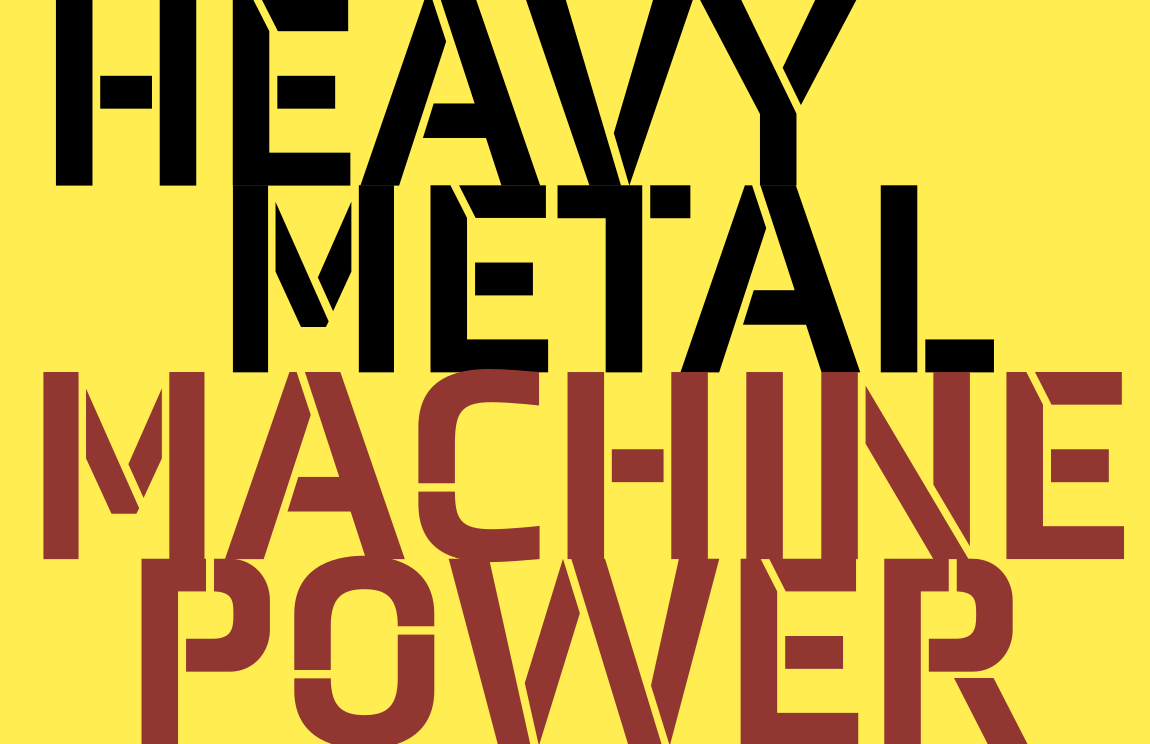
Axia is a sans serif uni-widths of concise letterforms. The type consists of ten weights from Light to Black, each with Italics and Small Caps. Two display styles, Stencil Light and Stencil Black feature a unique aesthetic. A distinct fragmentation of the letters gives this stencil design its particular character. The type is perfect for captivating big sizes; shapes of abstract floating parts allure the eye and form nicely proportioned type when united.

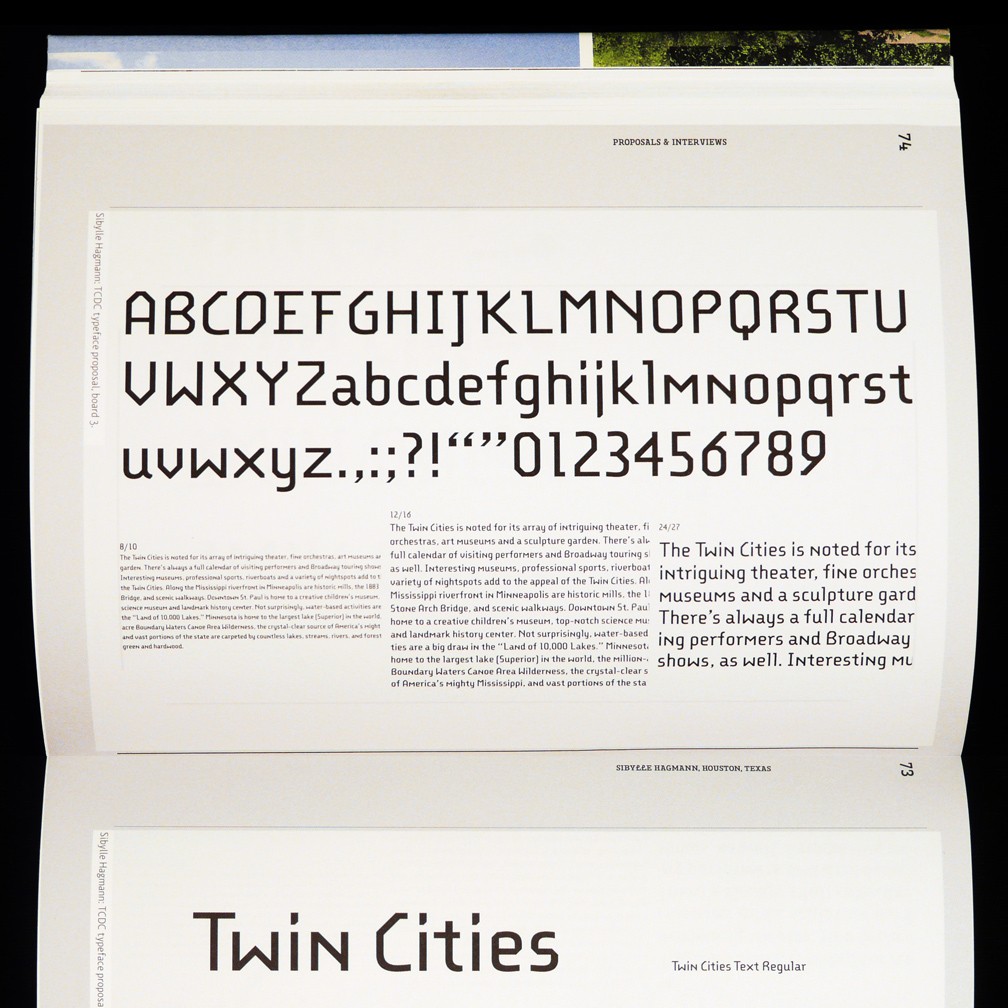
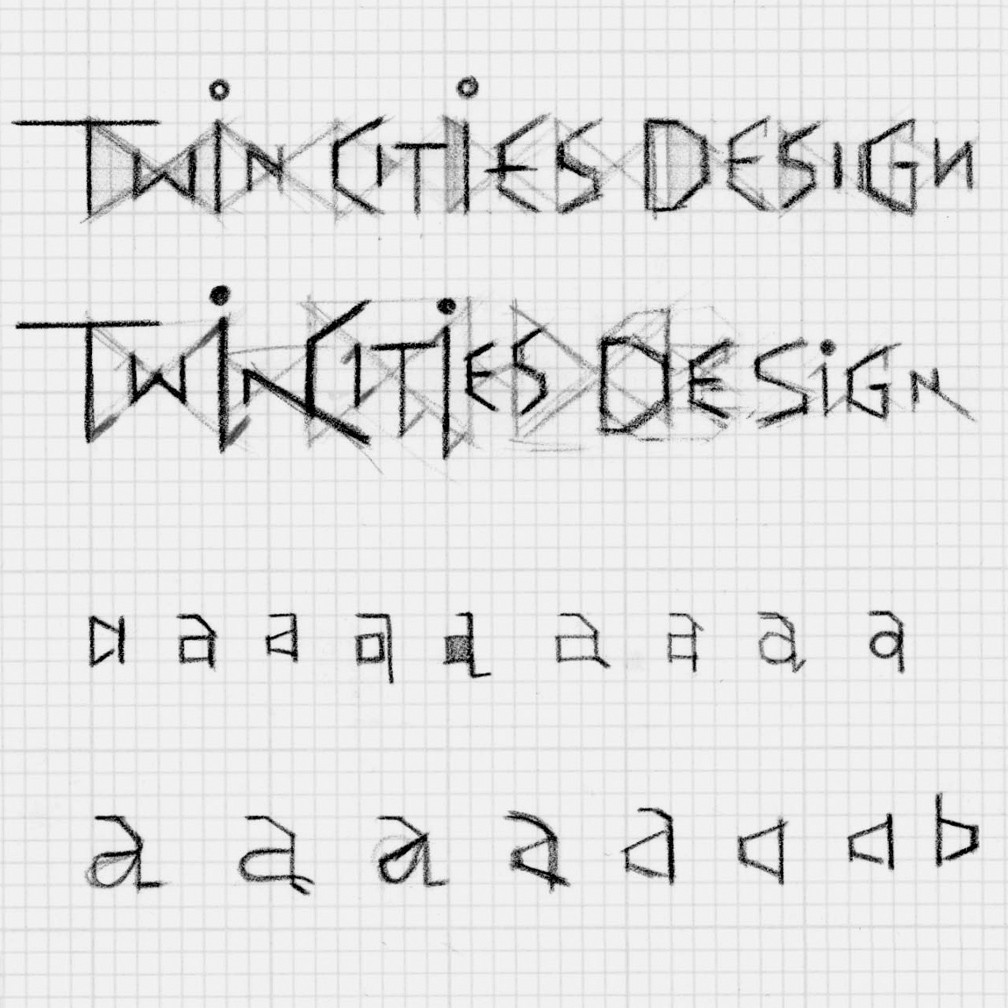
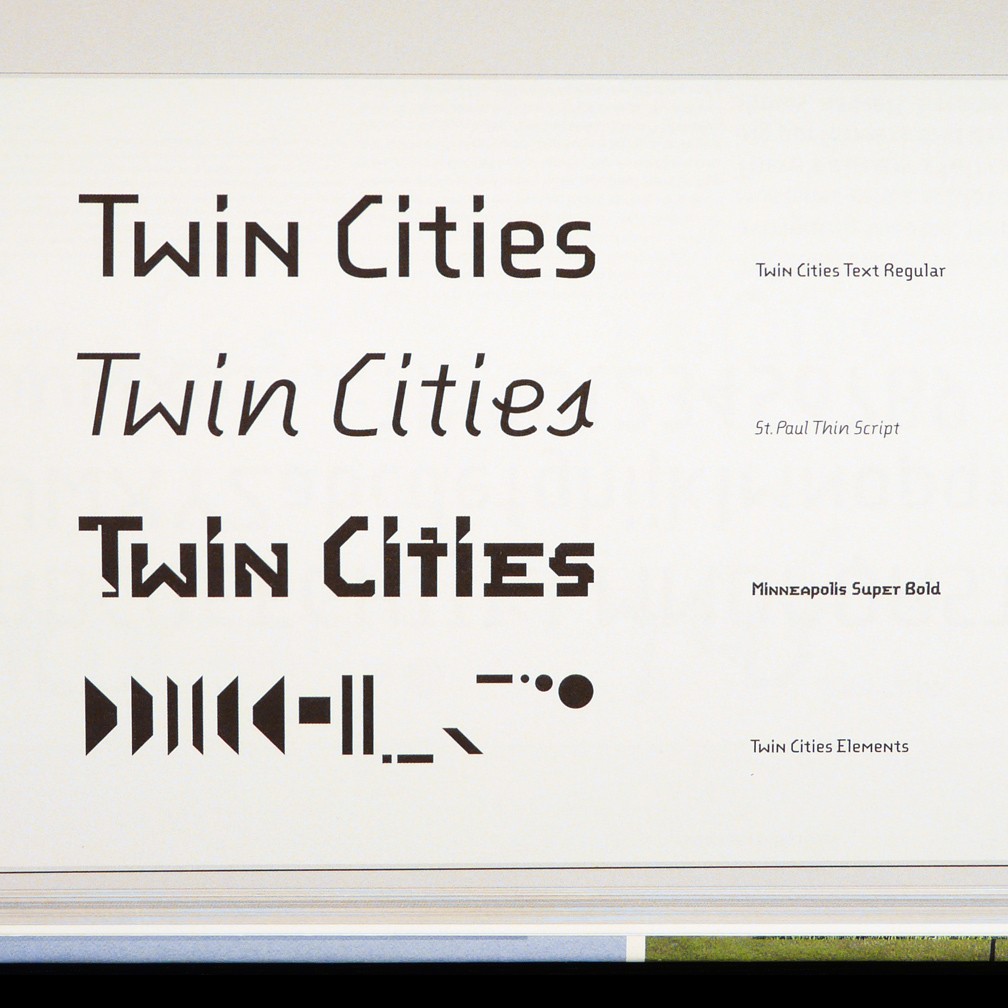
Originally designed for the Rice University School of Architecture in 2011, this contemporary sans found some inspiration in the TwinCities typeface family created by Sibylle Hagmann for the University of Minnesota in 2003. Axia has been orchestrated from scratch, each the roman and italic weights harmonize perfectly in width without a changing line length. Text set in Light or Black results in the same, economical fit.

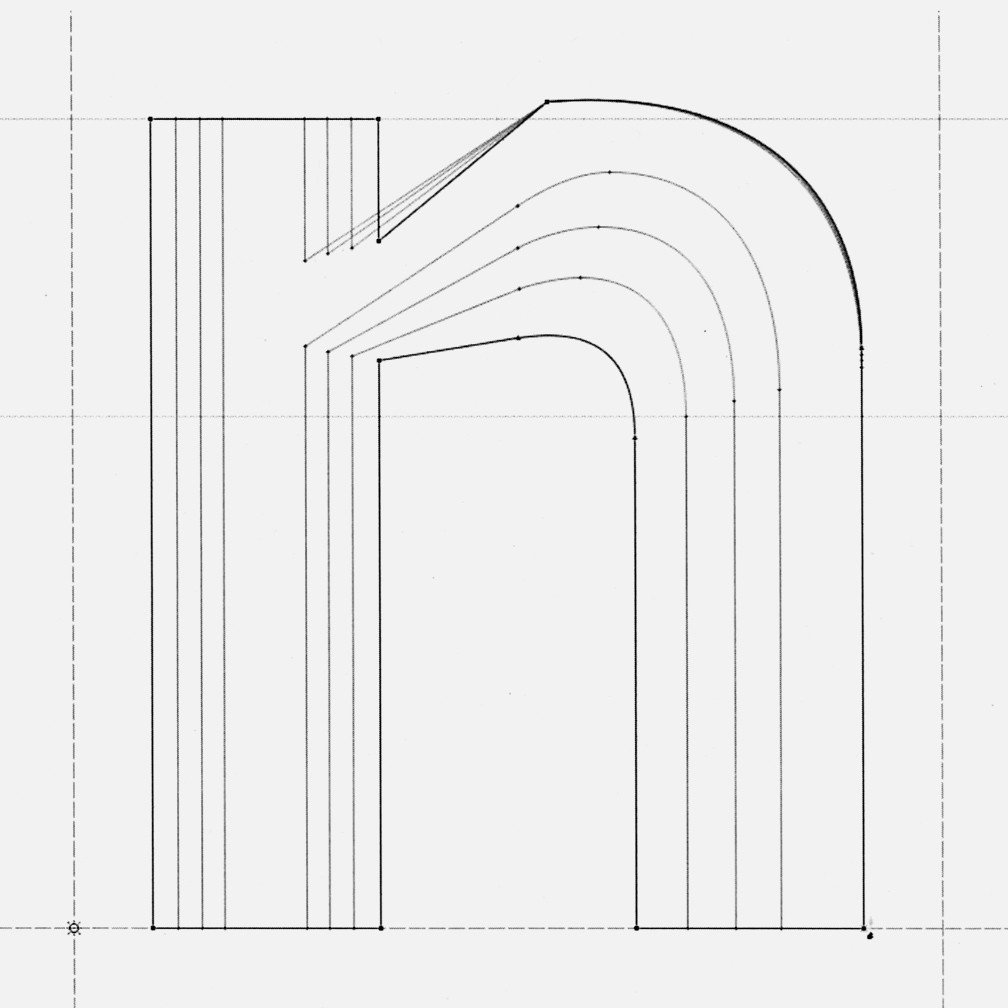
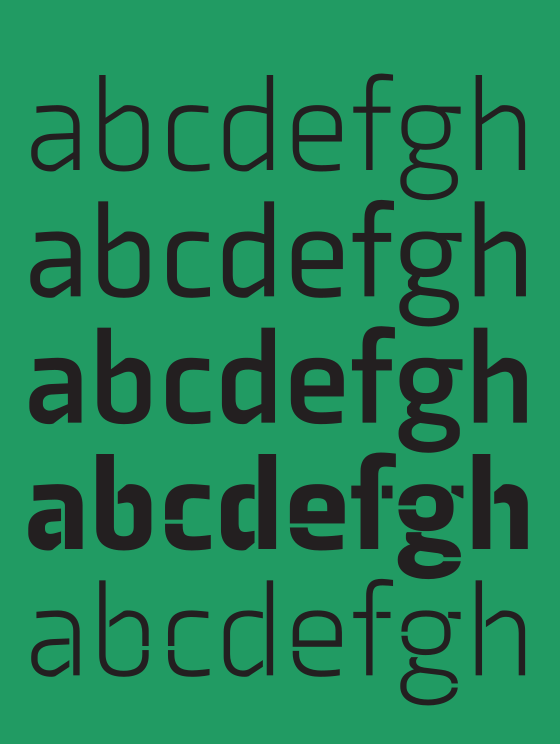
The inner arched strokes off the stem on the lowercase ‘b’ and ‘d’, for example, progressively open the letterforms and express conceptual clarity throughout the system. A feature doing double duty, it contributes to great legibility in heavier weights, and attributes to versatility of individual styles. Axia includes many OpenType features and offers broad language support.
 

Afar, Afrikaans, Albanian, Aranese, Araona, Aromanian, Aymara, Ayoreo, Azeri (Latin), Basque, Bemba, Bislama, Bosnian, Breton, Catalan, Cavineña, Chamorro, Cheyenne, Chichewa, Chokwe, Chuukese, Cofán, Comorian, Cornish, Crimean Tatar, Croatian, Czech, Danish, Dutch, English, Esperanto, Estonian, Faroese, Finnish, French, Frisian, Friulian, Ganda, German, Gikuyu, Greenlandic, Guaraní, Gwich’in, Haitian, Hawaiian, Hungarian, Icelandic, Ido, Indonesian, Interlingua, Irish Gaelic, Italian, Javanese, Karelian, Kashubian, Kinyarwanda, Kiribati, Kirundi, Kituba, Kongo, Kurdish, Kwanyama, Ladin, Latvian, Lingala, Lithuanian, Luba-Kasai, Luxemburgish, Malagasy, Malay, Maltese, Maninka, Manx, Māori, Marquesan, Marshallese, Montenegrin, Náhuatl, Nauruan, Navajo, Ndebele (Northern), Ndebele (Southern), Norn, Norwegian, Nyanja, Occitan, Oromo, Otomi, Palauan, Polish, Portuguese, Quechua, Rarotongan, Rhaeto-Romanic, Romani, Romanian, Sámi (Inari), Sámi (Lule), Sámi (Northern), Sámi (Southern), Sango, Sardinian, Scottish Gaelic, Seychelles Creole, Shona, Silesian, Slovak, Slovene, Somali (Latin), Sorbian, Sotho, Spanish, Swahili, Swati, Swedish, Tagalog (Filipino), Tahitian, Tetum, Tok Pisin, Tokelauan, Tongan, Tsonga, Tswana, Turkish, Twi, Umbundu, Venda, Veps, Welsh, Wolof, Xhosa, Zulu.
Axia buying options

Choose fonts

Axia Complete Collection Includes the complete family of roman + italic, and stencil styles
$300.00
Axia Stencil Mini Collection Includes the stencil styles only
$75.00
Axia Light
$50.00
Axia Light Italic
$50.00
Axia Regular
$50.00
Axia Regular Italic
$50.00
Axia Bold
$50.00
Axia Bold Italic
$50.00
Axia Black
$50.00
Axia Black Italic
$50.00
Axia Stencil Light
$50.00
Axia Stencil Black
$50.00

Choose the license

Total

$0.00